
You don’t have to be an expert to know when something’s wrong with your vehicle. Most drivers feel it. The car doesn’t handle quite the same. The ride feels rougher than usual. It pulls to one side or makes you tense up every time you hit a bump.
These could all be signs your suspension system is in trouble. And in places like Murrieta, Wildomar, and Lake Elsinore, where road conditions and summer heat take a toll, staying on top of suspension wear matters more than most people realize.
Why the Suspension System Matters
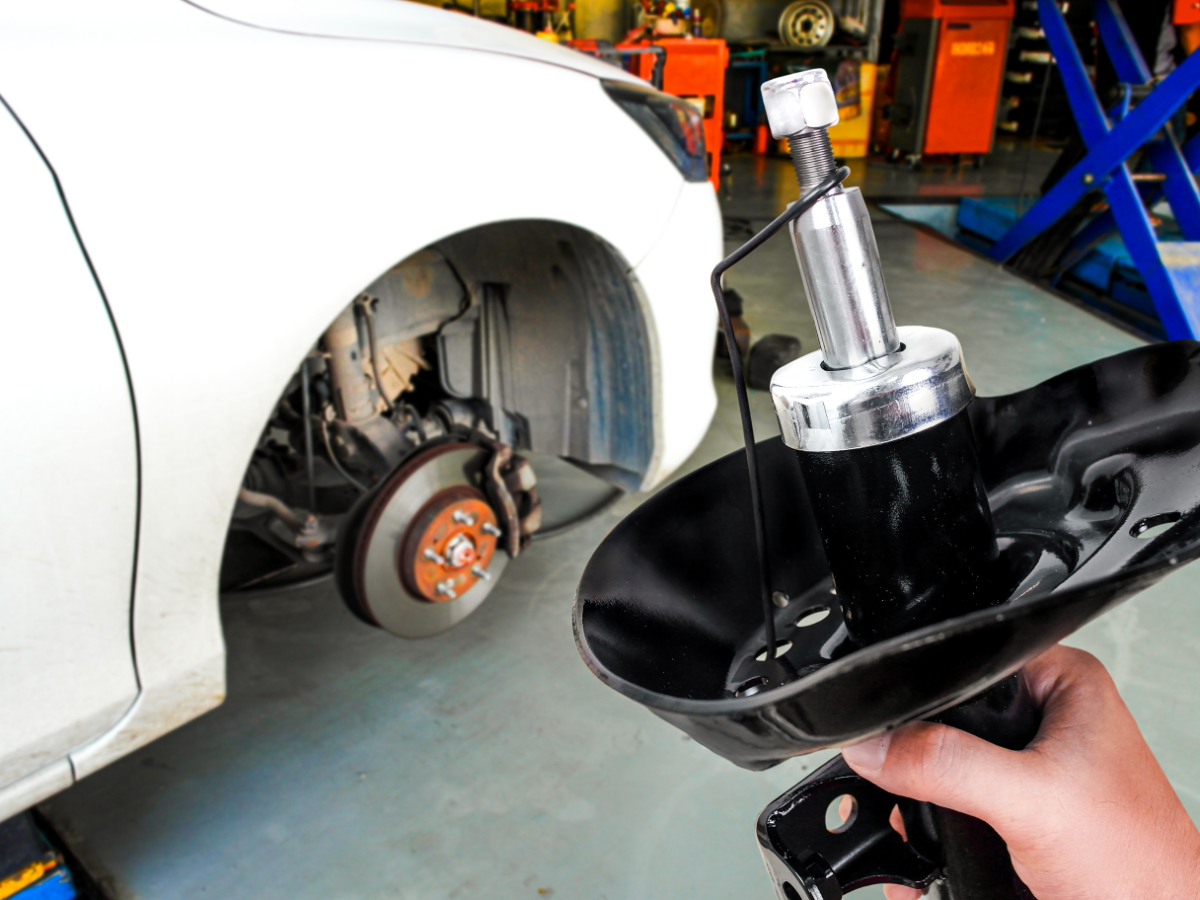
The suspension system connects your car to the road. It includes shocks, struts, springs, and other components that absorb bumps, keep your tires in contact with the pavement, and allow you to steer and stop safely.
When one part of the system starts to wear out, it can affect everything from ride quality to braking distance. And if ignored for too long, it can lead to tire damage, alignment problems, or even unsafe driving conditions.
Luckily, your vehicle will usually let you know when something is off. Here are five signs to watch for.
1. Your Ride Feels Rougher Than It Used To
Every car hits bumps. But if your daily drive suddenly feels like a rollercoaster, something’s wrong. A worn-out suspension system can’t absorb shocks the way it should.
You might feel:
- More vibration through the steering wheel
- The whole vehicle bouncing after hitting a dip or bump
- A “loose” or floaty feeling, especially at higher speeds
If even smooth roads in French Valley or Temecula are feeling bumpy, it’s worth having the system inspected.
2. Your Car Pulls to One Side While Driving
If your steering wheel isn’t centered or the car drifts even when you’re holding the wheel straight, it could be a suspension issue.
It might also be an alignment problem, which can be caused by uneven wear in suspension components. Either way, it makes driving more tiring and leads to faster tire wear.
Pulling to one side should never be ignored, especially when driving on busy roads like Jefferson Avenue or Clinton Keith Road.
3. Nose Dives or Rear Squats During Braking or Acceleration
A balanced suspension keeps your vehicle stable during sudden movement. But when the front of the car dips dramatically during braking or the rear squats during acceleration, it means something isn’t working right.
Common causes include worn-out shocks or struts that can no longer handle the vehicle’s weight properly. This can also increase braking distance, which becomes dangerous in stop-and-go traffic.
4. Uneven Tire Wear
Tires should wear evenly across the tread when the suspension is holding them level. If the inner or outer edges are wearing faster, or if one tire looks much more worn than the others, there may be an issue with suspension geometry.
Uneven tire wear costs you money and makes your vehicle harder to handle, especially in wet conditions. If you’re replacing tires more often than expected, the suspension could be to blame.
5. Visible Leaks or Damage Around the Suspension
If you look under the car and notice oil-like fluid near the wheels, one of the shocks or struts may be leaking. These parts are filled with hydraulic fluid, and when they fail, they can no longer absorb impacts.
Other visible signs include:
- Bent or broken springs
- Rusted components
- Unusual tire angles when parked
Any of these mean it’s time to get the suspension looked at.
Why This Matters for Murrieta Drivers
The roads around Murrieta aren’t always kind to vehicles. Potholes, heat-expansion cracks, and uneven surfaces all contribute to suspension wear. Add in freeway driving, and those small bumps add up over time.
If you commute through Temecula, Lake Elsinore, or take I-15 regularly, your suspension is getting worked harder than you might think. Over time, it just won’t respond the way it used to.
When to Get It Checked
Suspension issues are often slow to develop. You may get used to the changes without noticing how much the ride has degraded. But the earlier a problem is caught, the simpler and more affordable the fix usually is.
A quick inspection can reveal:
- Leaks or wear on shocks and struts
- Weak springs or broken bushings
- Problems with steering components or tire alignment
It’s recommended to have your suspension checked every 50,000 miles or sooner if you notice symptoms.
Don’t Settle for a Rough Ride
Driving shouldn’t feel like a chore. If your car bounces too much, pulls to one side, or just doesn’t feel stable, it’s worth having it inspected before it turns into a bigger issue.
We offer certified suspension inspections and repairs right here in Murrieta. With over 30 years of experience, we’ve helped drivers from Temecula to French Valley get back on the road safely and comfortably. Free estimates, same-day service, and after-hours drop-off make it easy to get the help your car needs without disrupting your schedule.If your vehicle feels off, let’s take a look before it gets worse. Reliable suspension repair is just around the corner.