
You’re driving through town, slowing down at a stoplight, and suddenly hear that high-pitched squeak, or worse, a grinding noise that sends a chill up your spine. It’s one of those sounds no driver wants to hear. For folks in Murrieta, where traffic, stop-and-go routes, and daily errands keep your brakes busy, these sounds are more common than you might think.
But here is the good news. Most brake issues give you some kind of warning before they become dangerous. The key is knowing which sounds and sensations are normal and which ones call for action.
Let’s break down what squeaky or grinding brakes usually mean, what to look out for, and when it’s time to have your vehicle checked.
What Causes Squeaky Brakes?
Brakes can squeak for a lot of reasons, and not all of them mean something is broken. For example, a little squeaking in the morning or after heavy rain is normal. Moisture can cause light surface rust on rotors, and that rust burns off the first time you press the brakes.
But if that squeak sticks around, or if it gets louder, it could point to a few common problems:
- Brake pads are wearing down and hitting the wear indicators
- Pads or rotors have glazed from excessive heat
- Dust, debris, or sand has built up between components
- Lower-quality brake parts are causing friction noise
- The brakes were installed without proper lubrication on contact points
A light squeak that comes and goes might not be urgent, but constant noise, especially with vibration or a soft pedal, means it’s time for a closer look.
What Grinding Brakes Usually Mean
Grinding is one of the clearest signs your brakes need immediate attention. This usually means the brake pads have worn all the way down, and the metal backing is now pressing directly against the rotor.
This metal-on-metal contact can do a lot of damage fast. Not only does it ruin your rotors, but it also puts you at risk of reduced braking power or brake failure.
Grinding brakes won’t go away on their own. The longer you drive, the more you risk damaging the braking system. If you hear grinding, it’s best to park the vehicle and schedule service as soon as possible.
Other Warning Signs to Watch For
Noise isn’t the only clue your brakes are trying to tell you something. Here are a few other symptoms that point to a brake issue:
- The brake pedal feels soft, spongy, or sinks lower than usual
- You feel pulsing or vibrations when braking
- The car pulls to one side while slowing down
- A brake warning light appears on the dashboard
- There’s a burning smell after driving or stopping
Any of these can mean a serious issue with the pads, rotors, fluid, or calipers. These symptoms don’t always feel urgent at first, but they can build up quickly if ignored.
Common Brake Issues We See in Murrieta
Living in Murrieta brings its own set of brake wear patterns. Daily traffic on roads like Clinton Keith, Los Alamos, and Murrieta Hot Springs puts stress on your brakes every time you stop and go. Add in freeway ramps, school zones, and the occasional trip up into the hills, and it’s easy to see why brake problems show up faster here.
Some of the most common brake problems in our area include:
- Worn-out brake pads causing noise and reduced stopping power
- Warped rotors from high heat or mountain driving
- Sticking calipers due to repeated heavy braking
- Brake dust buildup from dry, dusty roads
- Missed maintenance from drivers juggling packed schedules
We see all kinds of situations, and the earlier a problem is spotted, the more options you’ll have for a quick fix.
How to Know If It’s Urgent
Some drivers wait until the brakes are screaming for attention, but that’s not the best strategy. If you hear grinding, feel the vehicle pulling, or see the brake light come on, don’t wait. These are all signs of an urgent issue.
Squeaking that happens every time you slow down, especially with vibration, should also be checked soon. A squeak that only happens once in a while might be harmless, but it’s better to be safe and get it checked if you’re unsure.
Brake issues rarely get better on their own. They usually get worse, and they often become more expensive the longer they go untouched.
What a Brake Inspection Involves
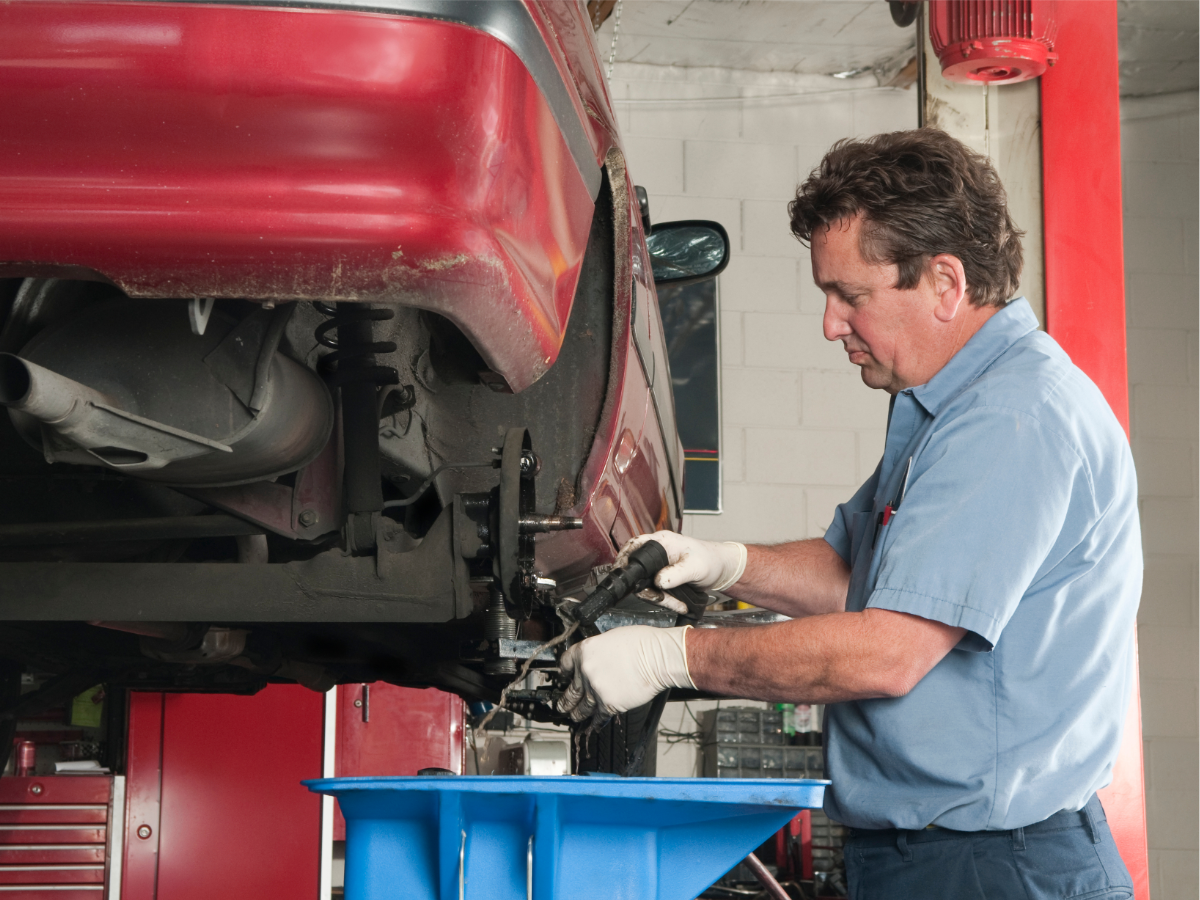
A professional brake inspection doesn’t take long, but it can give you peace of mind. During a full check, we’ll look at:
- Brake pad thickness and evenness
- Rotor surface condition
- Brake fluid level and condition
- Caliper function and movement
- Any leaks, cracks, or damage
- Wheel and tire condition related to braking
We’ll let you know exactly what’s going on and give clear options based on what we find.
Trusted Brake Repair in Murrieta
We’ve been helping drivers in Murrieta, Temecula, Wildomar, French Valley, and Lake Elsinore keep their vehicles safe for over 30 years. Brake repair is one of the most important services we offer, because it directly impacts your safety and the people around you.
Whether it’s a simple pad replacement or a full rotor resurfacing, we provide clear communication, certified workmanship, and fair pricing. We also offer same-day service for most brake repairs and welcome after-hours drop-off if your schedule is tight.
Our mechanics are trained to work on all makes and models, and we take pride in getting the job done right the first time.
Don’t Let Brake Issues Wait
If you’ve been hearing squeaks, grinding, or feeling something strange when you slow down, now’s the time to get it checked. It might be a minor fix, or it might be time to replace worn components, but either way, acting now helps avoid bigger problems later.
We’re here to help with honest advice, fast service, and a team that treats your safety like it’s our own.Call or stop by to schedule your brake inspection. Let’s get your car stopping the way it should.